
Kilimanjaro Northern Circuit Route (9 Days)
The longest, quietest, and most scenic way to reach the Roof of Africa.
- Tanzania
- 9 Days
- From $3167 Per Person
Overview
The Northern Circuit Route is the ultimate Kilimanjaro experience. It is the longest route on the mountain, giving your body more time to adjust to altitude and greatly improving summit success.
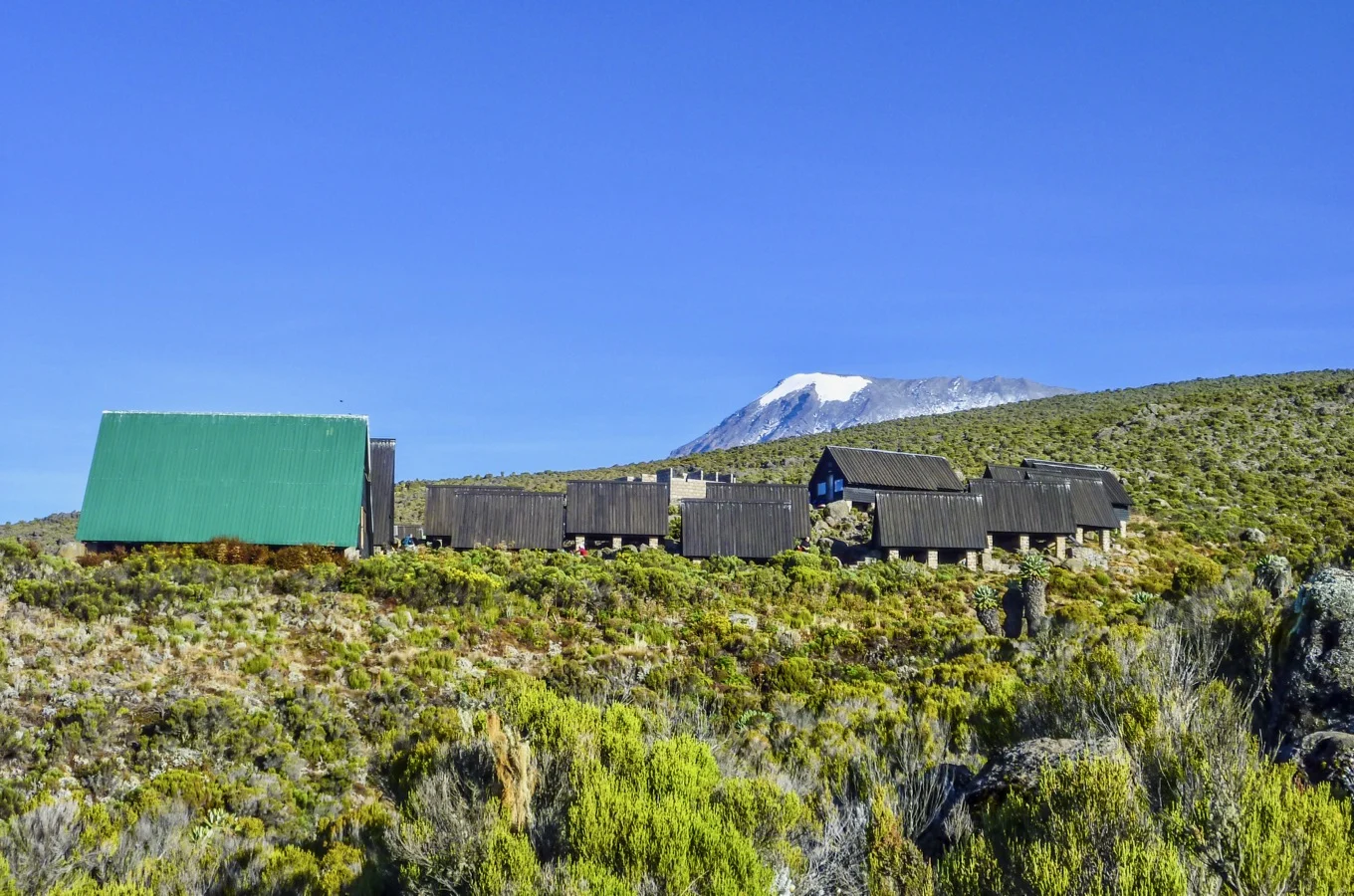
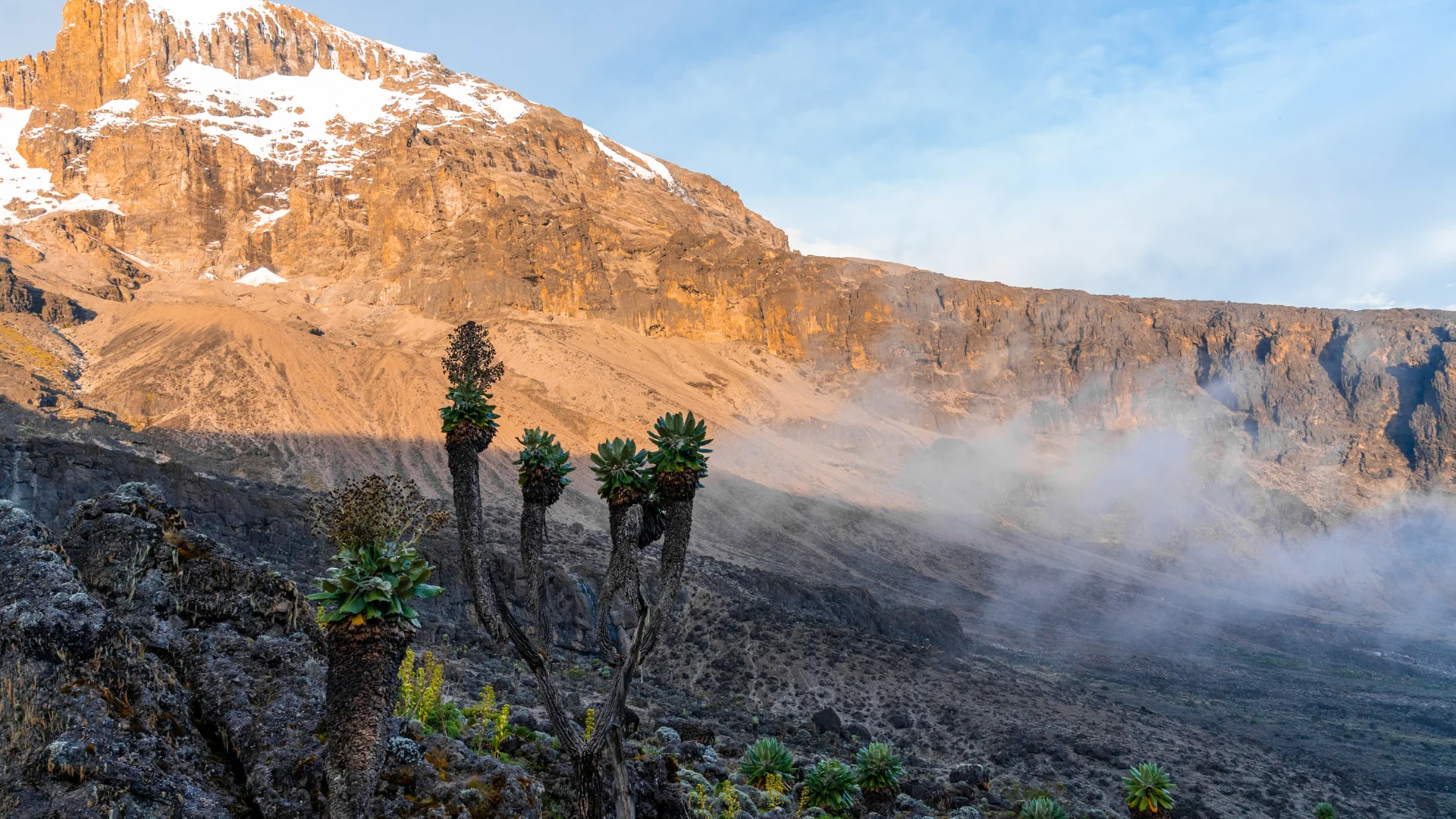
This route starts from the west via the Lemosho trail, then slowly circles around the remote northern slopes of Mount Kilimanjaro, where very few climbers go. You’ll hike through rainforest, open moorlands, and high alpine desert, with wide views toward Kenya and endless silence.
If you want space, scenery, and the highest success rate, this is Kilimanjaro at its best.
Highlights
- Highest summit success rate on Kilimanjaro
- Longest route = best acclimatization
- Very quiet trails with fewer climbers
- 360° views around the mountain
- Diverse landscapes: rainforest, moorland, alpine desert
- Expert Safari Vibes Africa mountain crew
Itinerary
Day 1: Londorossi Gate → Mti Mkubwa Camp
Altitude: 2,100m → 2,650m
Hiking time: 3–4 hours
Habitat: Rainforest
After registration at Londorossi Gate, you begin your hike through lush rainforest. Keep an eye out for monkeys and birds as you slowly climb to your first camp.
Day 2: Mti Mkubwa → Shira 1 Camp
Altitude: 2,650m → 3,610m
Hiking time: 5–6 hours
Habitat: Moorland
The forest opens up into wide moorland with big skies and distant views. The trail is steady and scenic as you reach the Shira Plateau.
Day 3: Shira 1 → Shira 2 Camp
Altitude: 3,610m → 3,850m
Hiking time: 3–4 hours
Habitat: Moorland
A shorter day to help with acclimatization. You’ll enjoy relaxed hiking with views of Kibo Peak and time to rest at camp.
Day 4: Shira 2 → Moir Hut
Altitude: 3,850m → 4,200m
Hiking time: 5–6 hours
Habitat: Alpine desert
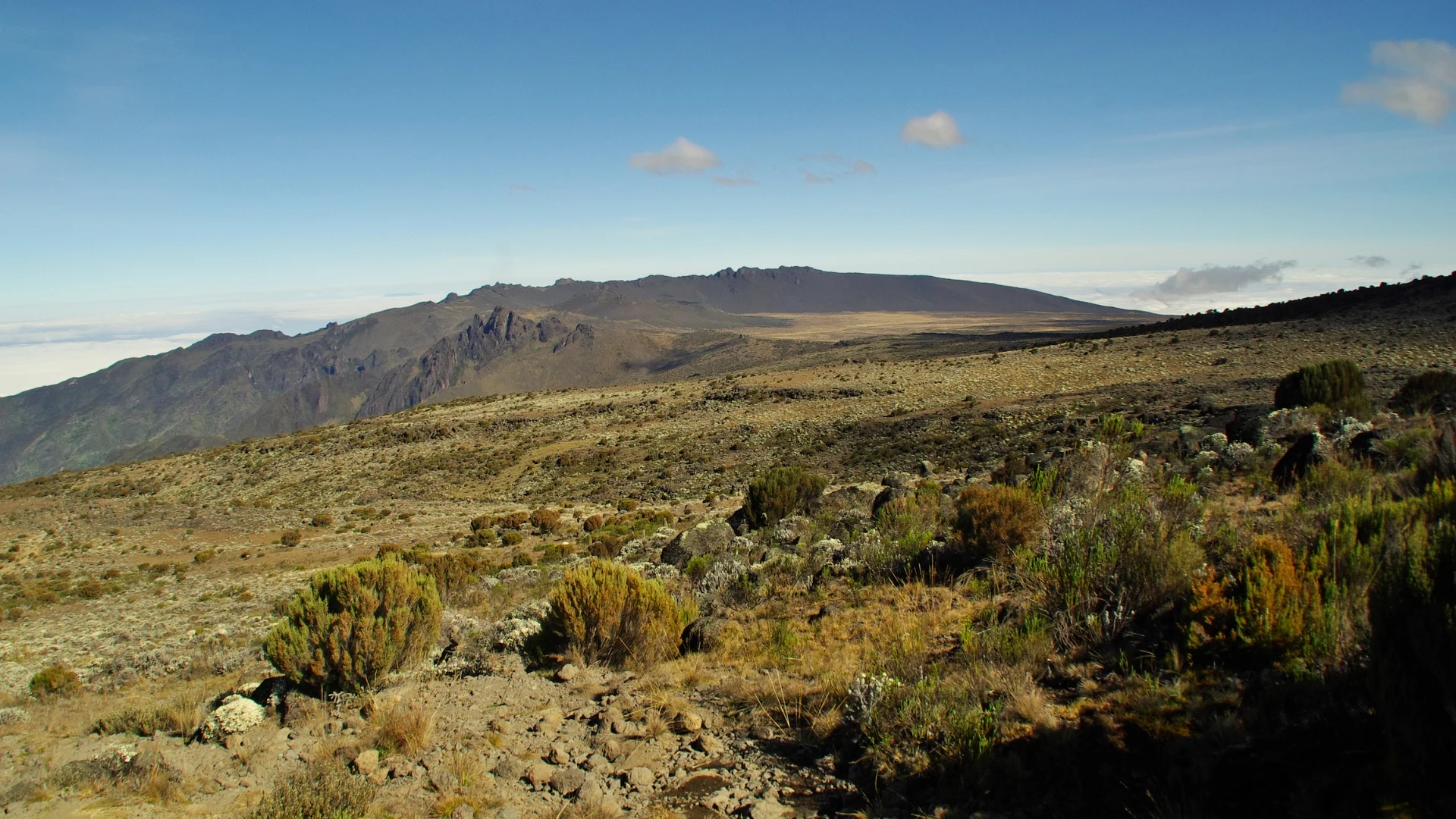
You leave the busier trails behind and head toward the remote northern side of Kilimanjaro. The landscape becomes quieter, wider, and more dramatic.
Day 5: Moir Hut → Buffalo Camp
Altitude: 4,200m → 4,020m
Hiking time: 5–7 hours
Habitat: Alpine desert
A stunning traverse across the northern slopes with long, gentle climbs and panoramic views toward Kenya.
Day 6: Buffalo Camp → Third Cave Camp
Altitude: 4,020m → 3,870m
Hiking time: 4–5 hours
Habitat: Alpine desert
An easier day that helps your body adapt. The trail is quiet and peaceful, perfect for steady breathing and slow walking.
Day 7: Third Cave → School Hut
Altitude: 3,870m → 4,800m
Hiking time: 5–6 hours
Habitat: Alpine desert
You climb higher toward the summit base camp. After an early dinner, you rest and prepare for the summit attempt.
Day 8: School Hut → Uhuru Peak → Mweka Camp
Altitude: 4,800m → 5,895m → 3,100m
Hiking time: 6–7 hours up / 5–6 hours down
A midnight start for the summit push. Step by step, you reach Uhuru Peak, the highest point in Africa. After photos and celebration, you descend carefully to Mweka Camp.
Day 9: Mweka Camp → Mweka Gate
Altitude: 3,100m → 1,640m
Hiking time: 3–4 hours
Habitat: Rainforest
A relaxed walk back through the forest to the gate, where you receive your summit certificates and say goodbye to the mountain crew.
Includes
- Kilimanjaro park, camping & rescue fees
- Professional mountain guides
- Porters & cooks
- All meals on the mountain
- Tents, sleeping mats & dining tent
- Treated drinking water
- Pre-climb briefing & safety checks
- Ethical porter support standards
Excludes
- International flights to/from Tanzania
- Domestic flights (e.g., Dar es Salaam ↔ Arusha) unless added to your package
- Travel insurance (mandatory)
- Visa fees and personal travel documents
- Alcoholic and premium beverages
- Tips & gratuities for driver/guide (customary but discretionary)
- Optional activities
- Personal expenses (laundry, phone calls, souvenirs)
FAQ
Is the Northern Circuit the best route on Kilimanjaro?
For climbers who want the highest success rate, fewer crowds, and more scenery, yes. It’s the most complete Kilimanjaro experience.
What is the success rate?
Due to excellent acclimatization, summit success is around 90–95% with proper pacing and experienced guides.
Is this route suitable for beginners?
Yes, if you are reasonably fit and take training seriously. The longer itinerary makes it more forgiving for first-time climbers.
How cold does it get?
Summit night can reach -10°C to -15°C. Proper gear and layering are essential.